Annual health check-ups for dogs and cats
An essential part of responsible pet ownership. These check-ups, also known as wellness exams or preventive care visits, help ensure that your pets are in good health and can help detect any potential health issues early on.
To be definite that your pets are fit and healthy, an annual health check should take place even if they are feeling well. It is highly recommended to implement this check to detect any minor problem arising or concerns of any kind and solve them as soon as possible. Also, to provide some advice for home care and recommend additional treatments or services if needed.
It is advisable to have a health check for your pet at least once a year. A health check can be carried out with your annual booster appointment.
Their check-ups should include the following:
- Weight check
- Listen-in to heart and lungs
- Skin and paws
- Eyes and ears
- Teeth and gums
- Lumps and bumps
- Movement and mobility
- Internal organs
- Parasite check
- Anal glands
- Vaccinations and re-start if required
- General wellbeing and behaviour and any changes to their daily routine
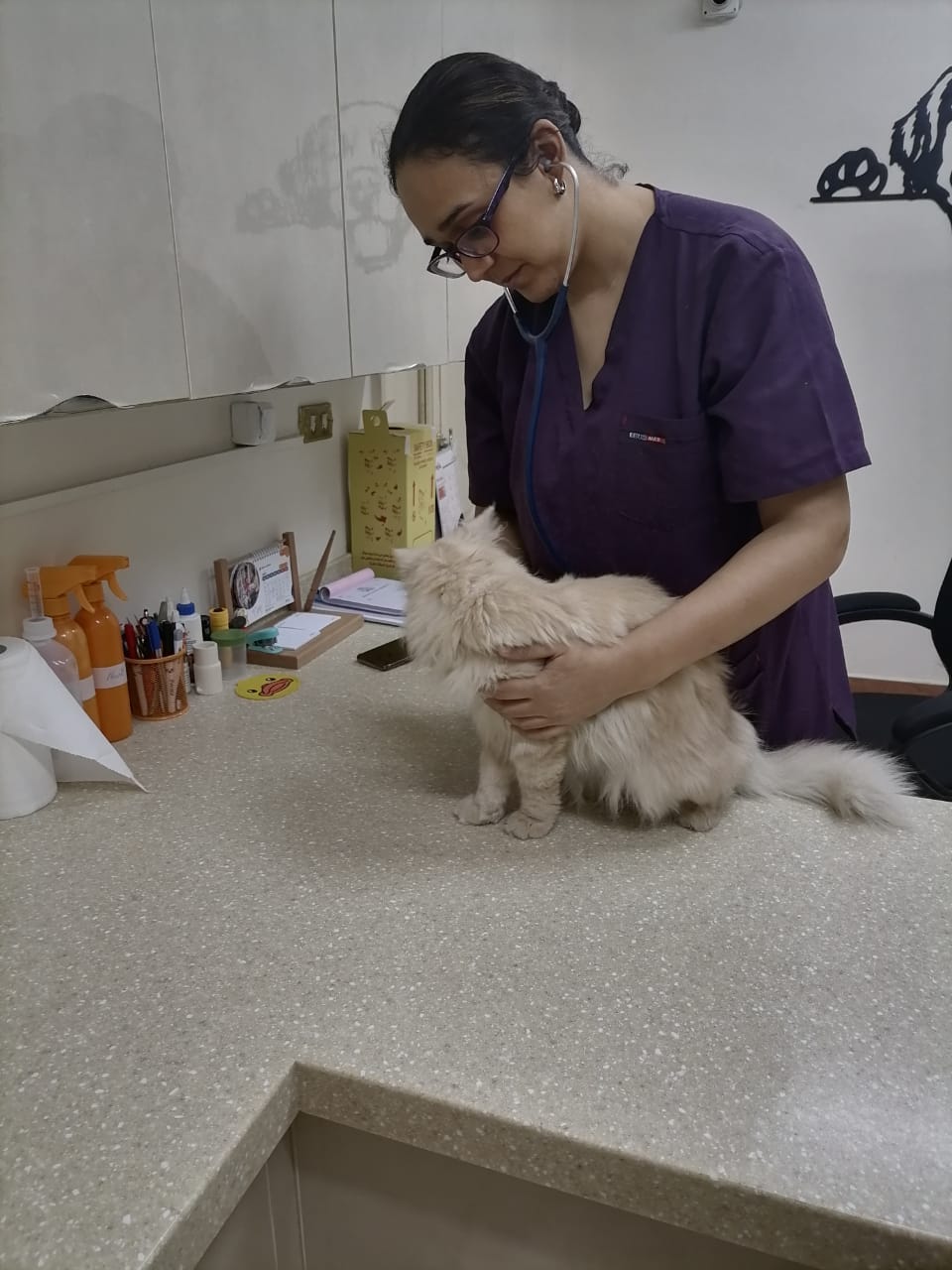
Here’s what you can expect during an annual health check for dogs and cats:
- Physical Examination: The veterinarian will perform a thorough physical examination of your pet, assessing their overall body condition, checking vital signs (such as heart rate, respiration rate, and temperature), examining the eyes, ears, nose, mouth, teeth, and gums, listening to the heart and lungs, palpating the abdomen, and feeling for any lumps or abnormalities.
- Vaccinations: The veterinarian will review your pet’s vaccination history and administer any necessary vaccinations based on your pet’s age, lifestyle, and risk factors. Core vaccines, which are recommended for all dogs and cats, include those that protect against diseases like rabies, distemper, parvovirus (dogs), and panleukopenia (cats). Additional vaccines may be recommended based on factors such as lifestyle and geographic location.
- Parasite Control: The veterinarian will discuss and prescribe appropriate preventive measures to protect pet from parasites such as fleas, ticks, heartworms, and intestinal worms. This may include topical or oral medications, as well as recommendations for environmental control.
- Laboratory Tests: Depending on your pet’s age, medical history, and overall health, the veterinary doctor may recommend various laboratory tests. These can include blood tests (complete blood count, blood chemistry profile) to assess organ function, check for infections, or screen for certain diseases. Urine and fecal tests may also be performed to check for any underlying issues or infections.
- Dental Assessment: The veterinarian will examine your pet’s teeth and gums to assess oral health and recommend any necessary dental treatment, such as teeth cleaning or extractions. Dental health is crucial for overall well-being and can affect your pet’s eating habits and overall health.
- Nutritional and Behavioral Counseling: The veterinarian can provide guidance on proper nutrition, including diet recommendations tailored to your pet’s age, breed, and any specific health conditions. They can also address behavioral concerns and offer advice on training, socialization, and enrichment.
- Senior Pet Care: For older pets, the annual check-up may include additional screenings, such as blood pressure monitoring, thyroid function tests, or X-rays, to assess age-related conditions or detect early signs of diseases like arthritis or kidney disease.
Remember, regular annual check-ups are crucial for maintaining your pet’s health and well-being. They provide an opportunity to discuss any concerns you may have and allow the veterinarian to catch and address potential issues early on, increasing the chances of successful treatment.