Dental care for dogs and cats
Dental care for your pet
Dental disease is common in cat and dogs over the age of 2 years. Soft food may lead to dental disease more rapidly than dry food. Mixing between soft food and dry food is optimal.
Tartar and plaque develop on your pets’ teeth and cause decay and plaque because of food accumulation on the teeth. Bacteria grow on these bits of food. Over time, the bacteria move into the gums and cause damage that results in discomfort, tooth loosening and infection that can spread to other parts of the body (periodontal disease may contribute to or increase the risk of other diseases such as diabetes and infection of the heart, lungs, liver, or kidneys). So, we encourage home care, hygiene, such as brushing, reduce sugar intake. Also, regular check-up helps the health of your pets.
If teeth are in bad condition and cannot be handled at home, in that case a dental treatment is required, and anaesthesia should be applied after checking that your pet tolerate it.
Many dental diseases could affect your pets. Dental problems lead to life-threatening health issues as infection can spread to other areas of the body. Your pet will not show his discomfort and pain to you, so a thorough check-up every 5-6 months should be performed.
It is recommended to observe the following direct problems caused by dental disease:
- Your pet prefers eating soft over dry food
- Bad breath
- Inflammation of the gums
- Swelling around the mouth
- Pawing and rubbing at the side of the mouth
- Teeth chattering
- Eating on one side of their mouth or even reluctance to eat
- Dropping food from their mouth
- Vocalisation when eating
- Yellow or brown teeth
- Poor grooming
- Drooling and excessive salivation
- Tooth loss
- Behavior changes as result of dental pain: uncharacteristic irritability, depression, aggression, appetite change
THE IMPORTANCE OF DENTAL HEALTH
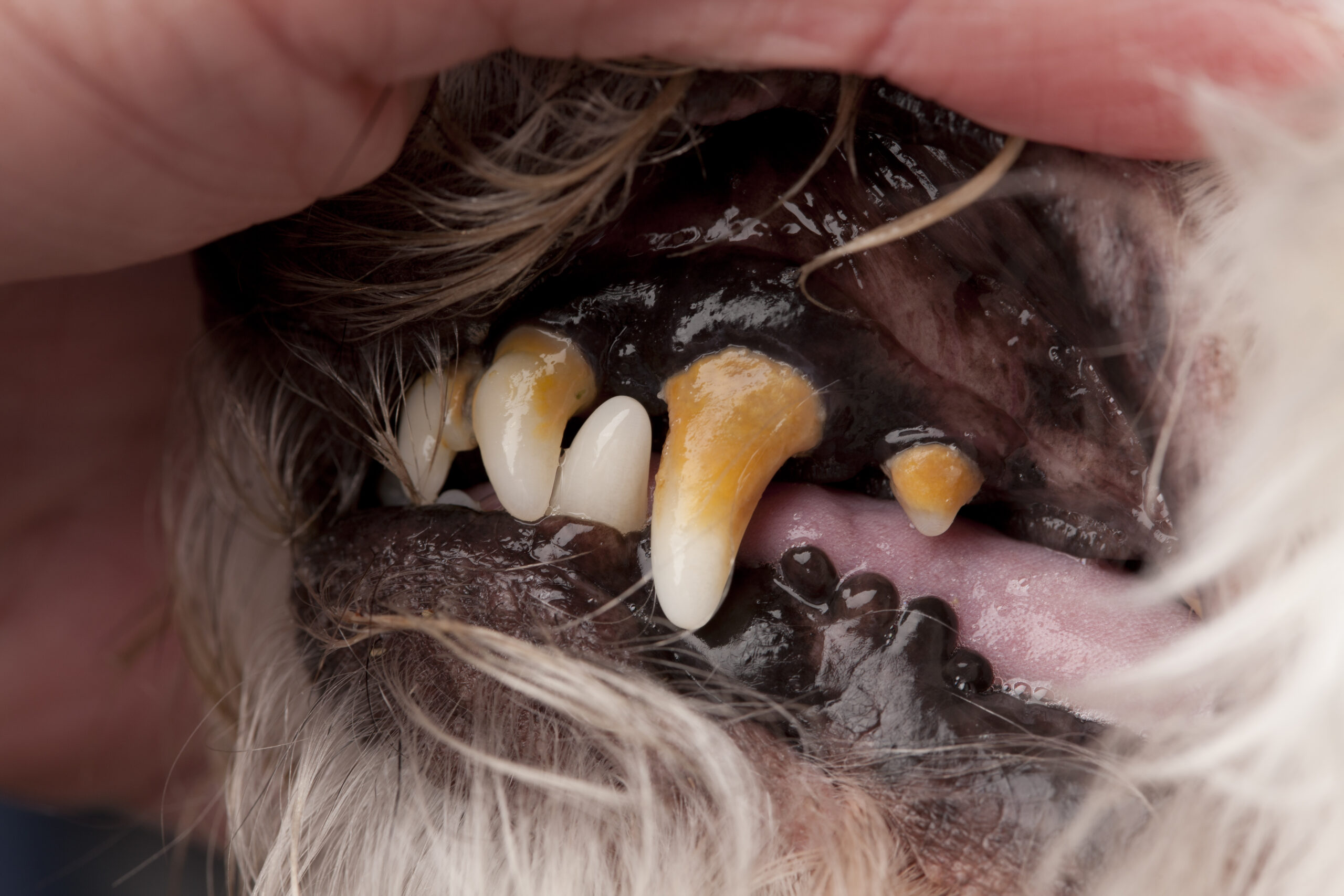
The diagnosis of dental disease is made by our veterinarian who should examine the mouth and assess the teeth securely and thoroughly on all surfaces and below the gum line, if there are obvious signs of dental disease the veterinarian will recommend that your pet needs a dental assessment and treatment under a general anesthetic.
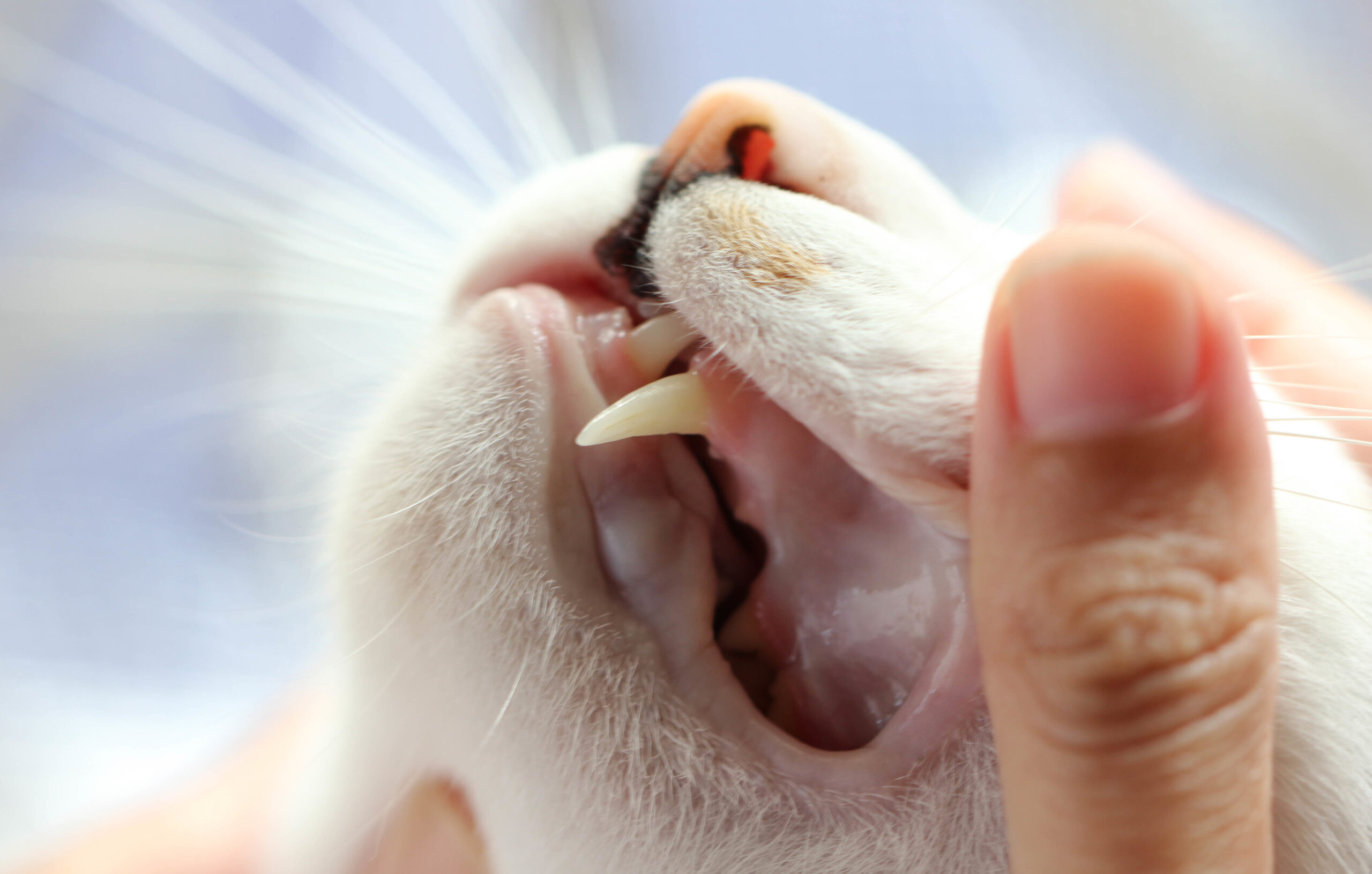
The assessment should be divided into 7 risk levels to be able to decide the correct treatment that should be undertaken:
- No plaque or gingivitis, so a preventative brushing is recommended.
- Mild plaque and gingivitis, a preventative brushing is recommended.
- Mild to moderate tartar and gingivitis on many teeth, so we start treatment under anesthetic in the next 3 months then preventative dental care.
- Heavy tartar and periodontal disease with bone loss (rickety) and shaky teeth, so we should start evaluation and treatment under anesthetic in the next month then preventative dental care.
- Severe tartar, periodontal disease, shaky teeth, same as Level 3.
- In case of “Fracture”, a sedation is recommended in the next month to assess the fracture and extract the tooth if necessary.
- In case of “Resorptive Lesion”, a sedation is recommended in the next month to assess the situation and extract the affected tooth.
Fortunately, there are many options for dental care at home, such as:
- The best method is a daily tooth brushing. Our vet always recommends a designed soft toothbrush to be used for cats and dogs. A special toothpaste should be used as well, free of fluoride that can be toxic to pets. The flavours of veterinary toothpastes come in fish and poultry and some of them contain enzymes that help to break down plaque. For 3-5 days, start introducing the toothpaste by applying some to your finger and let them lick it. Then start putting your finger with the toothpaste into your pet’s mouth and lightly massage the teeth and the gum. For more few days your pet once will be at ease with these sessions start introducing the toothbrush on just a few teeth and gradually increase the number by lifting-up the lips of your pet to brush the outside surface and the sides, no need to brush the inside of the teeth. Give your pet a lot of praise after each session.
- A mouth gel or spray could be a good option if it is difficult to handle your pet during a toothbrush session although the toothbrush gives better results to remove plaque and food particles. This hygiene gel could be sprayed into the mouth or placed on a cat’s paw to be licked off. The gel sticks to the teeth and gums and helps breaking down plaque and reduce levels of bacteria in the mouth.
- Also, a specially designed dental chews and treats (to be given twice weekly) could be a useful method to gently scrub the outside of the pet’s teeth while chewing. Still toothbrush gives better results as the chews and treats don’t reach between gaps in teeth.