Surgery for cats and dogs
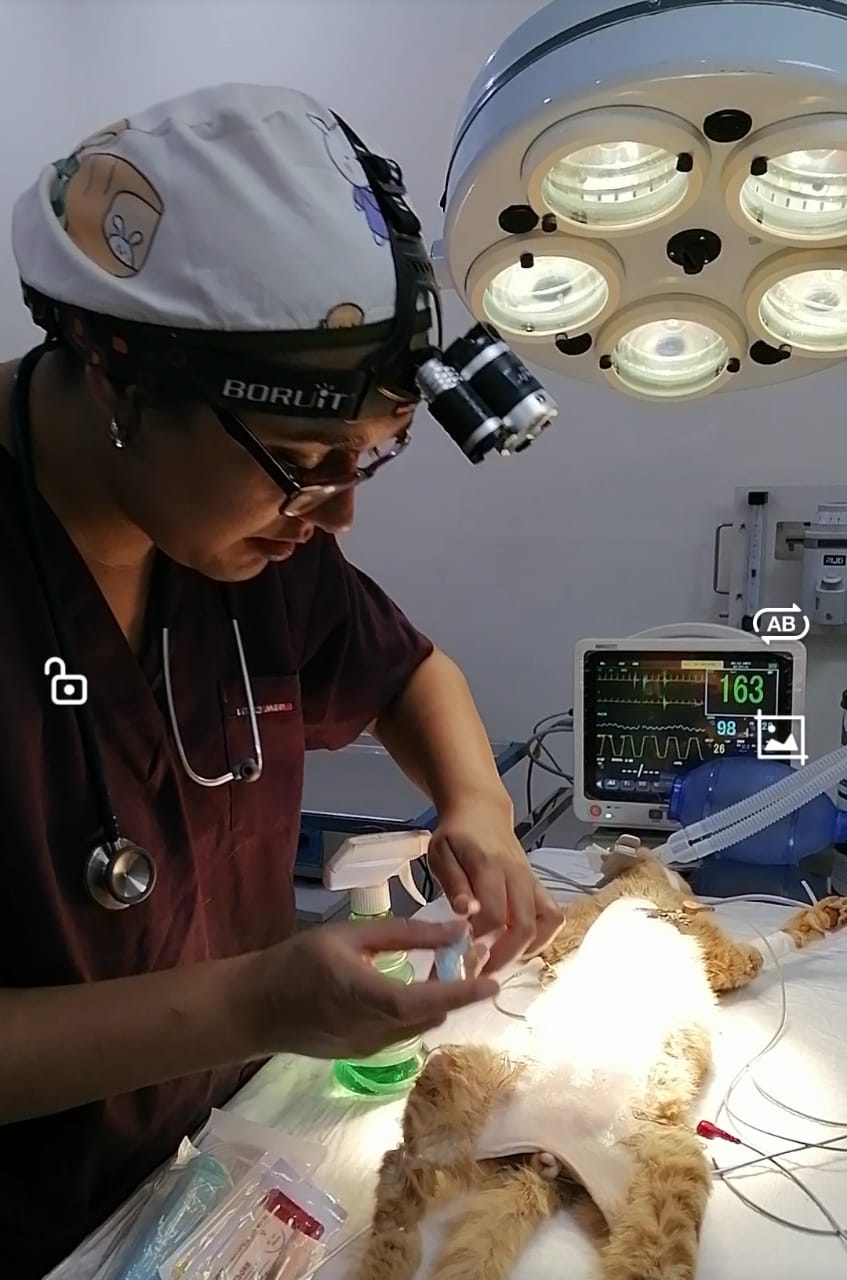
Pet safety, hygiene and peaceful environment are priorities. Thus, we use the latest inhalation anesthetic equipment. Throughout operation all patients are monitored using an up-to-date monitor that continuously measures oxygen, carbon dioxide levels, and pulse rate.
Blood pressure is also monitored where applicable. All sterile procedures ranging from neutering to abdominal surgery are carried out at our clinic. Minor procedures, such as dentistry are undertaken as well at our clinic. Our surgical team use a range of modern surgical equipment and x-ray facilities.
Our highly skilled veterinary surgeons have the medical and surgical expertise to perform all routine surgeries, and other non-routine ones with more intricate procedures, such as complex hernia operation. If your pet requires surgery or has a complicated health problem, our team has the skills to treat them safely, ensuring that your pet receives the very best veterinary treatments available.
Emerency Call
Email Contact
Pet’s surgeries: Comprehensive range of surgical services
Surgery for cats and dogs is a common veterinary procedure used to diagnose, treat, and prevent various health conditions. Veterinary surgeons perform a range of surgeries, from routine procedures such as spaying and neutering to more complex operations.
In our veterinary clinic, we offer a comprehensive range of surgical services for both cats and dogs. Our highly skilled and experienced veterinary surgeons perform a wide variety of procedures to address the unique medical needs of each animal. From routine spaying and neutering to more complex surgeries, such as tumor removals and orthopedic procedures, we strive to provide the highest standard of care for your beloved pets.
Prior to any surgery, our dedicated team conducts thorough pre-operative evaluations to assess the overall health and specific requirements of each patient. We utilize state-of-the-art surgical equipment and techniques to ensure precise and effective procedures. During surgery, our veterinarians closely monitor vital signs, administer appropriate anesthesia, and maintain a sterile environment to minimize any potential risks. After the surgery, our compassionate staff provides post-operative care and closely monitors the recovery process, ensuring that your furry friend receives the best possible support and attention throughout their healing journey.
At our clinic, we understand that undergoing surgery can be a source of concern for pet owners. Rest assured, we prioritize the safety, comfort, and well-being of every cat and dog entrusted to our care. Our commitment to excellence extends beyond the operating room, as we strive to provide compassionate, comprehensive care that promotes the health and happiness of your beloved companion.
Here are some key aspects related to surgery for cats and dogs:
- Spaying and Neutering: Spaying refers to the surgical removal of a female animal’s ovaries and uterus, while neutering involves the surgical removal of a male animal’s testicles. These procedures are typically performed to prevent unwanted pregnancies, reduce the risk of certain cancers, and address behavioral issues.
- Soft Tissue Surgery: This type of surgery involves procedures that target organs, tissues, or body systems other than the bones and joints. Examples include gastrointestinal surgery (such as removing foreign objects or tumor removal), tumor removal from various body parts, bladder surgery, and cesarean sections.
- Orthopedic Surgery: Orthopedic surgery deals with the musculoskeletal system, primarily the bones and joints. Common orthopedic procedures for cats and dogs include fracture repair, ligament/tendon repair, joint stabilization (e.g., cruciate ligament repair), and hip or elbow dysplasia correction.
- Dental Surgery: Dental issues are prevalent in cats and dogs, and surgical interventions may be required. Dental surgeries can include tooth extraction, treatment of oral tumors, correction of jaw fractures, and gum disease management.
- Emergency Surgery: In emergency situations, prompt surgical intervention may be necessary to save an animal’s life. Examples include surgeries for trauma, internal bleeding, foreign body removal, and emergency cesarean sections.
- Pre-surgical Preparation: Before surgery, animals typically undergo a thorough physical examination, blood tests, and other diagnostic procedures to assess their overall health and identify any potential risks. This helps ensure the anesthesia and surgery can be safely performed.
- Anesthesia and Monitoring: Just like in human surgeries, anesthesia is used during veterinary procedures to ensure the animal remains unconscious and free of pain. Veterinarians closely monitor vital signs, such as heart rate, blood pressure, and oxygen levels, throughout the surgery to ensure the pet’s well-being.
- Postoperative Care: After surgery, pets require appropriate postoperative care, including pain management, wound care, and restricted activity. Follow-up appointments are often scheduled to monitor healing progress and address any concerns.